

 Souvik Saha
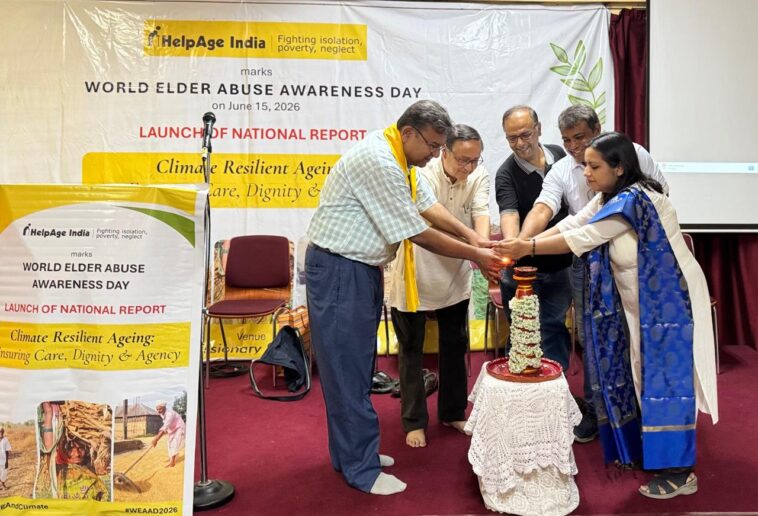
Climate Change, Loneliness and Financial Hardship: India’s Elderly Face Growing Crisis, Says HelpAge India Report
New Delhi: India’s elderly population is increasingly finding itself at the intersection of climate change, economic insecurity and inadequate support systems, according to a new report by HelpAge India. The report, titled Climate Resilient Ageing – Ensuring Care, Dignity & Agency, presents a sobering picture of the realities faced by older people, particularly those living in rural areas.
The study surveyed 2,224 older persons across 20 districts in 10 states, including Andhra Pradesh, Bihar, Gujarat, Karnataka, Kerala, Maharashtra, Odisha, Tamil Nadu and Uttarakhand. Women accounted for nearly two-thirds of the respondents, highlighting the growing feminisation of ageing in India.
One of the report’s most striking findings is the increasing exposure of older people to climate-related disasters. Nearly 78 per cent of respondents said they had experienced at least one climate shock in the past three years. Heatwaves emerged as the most common threat, affecting 45 per cent of the elderly surveyed, followed by floods and droughts.
For many senior citizens, climate events are not isolated incidents but recurring challenges that worsen existing vulnerabilities. More than one-third of those exposed to such events reported moderate to severe impacts on their lives. Older persons living alone, widows and those with health conditions were found to be particularly vulnerable.
Economic insecurity remains another major concern. The report found that almost half of the elderly population is financially dependent on others to some extent, while the vast majority survive on less than ₹10,000 a month. Women, especially widows, and people above 80 years of age face the highest levels of financial distress.
Government pensions continue to be the principal source of income for most elderly citizens. However, many respondents admitted that the pension amount is insufficient to meet their daily needs. More than three-fourths reported experiencing at least one financial hardship during the previous year, with many struggling to afford medicines and adequate food.
Health issues further compound these challenges. While a majority reported having some access to healthcare facilities, only a small proportion said they could always obtain medical treatment whenever required. Distance from healthcare centres, high treatment costs and transportation difficulties continue to act as major barriers.
Chronic illnesses are widespread among the elderly population. Persistent pain, mobility issues, vision impairment and high blood pressure are among the most common health concerns. The report also highlights the issue of mental well-being, with higher levels of loneliness and depression among those living alone and those without independent sources of income.
Despite changing social structures, families continue to remain the primary caregivers for older persons in India. Most respondents said they depend on spouses, sons or daughters-in-law for support. However, caregiving challenges are becoming increasingly evident. Many elderly people reported that caregivers were often unavailable when needed or lacked sufficient time to provide proper care. A significant number of older persons living alone said they received little or no assistance.
Social isolation is emerging as another pressing concern. Participation in community groups and organised social activities remains limited, leaving many older persons without support networks outside their families. Those living alone reported substantially lower levels of emotional support and social interaction.
Housing conditions also add to the vulnerabilities faced by the elderly. A large proportion of respondents live in kutcha or semi-pucca houses, with many reporting problems such as poor ventilation, dampness and structural weaknesses. Such conditions significantly increase risks during extreme weather events.
The report concludes that India’s elderly population requires urgent policy attention that integrates ageing concerns with climate resilience, healthcare access and social protection measures. Greater financial assistance, improved healthcare services and stronger community support systems emerged as the key demands of older persons surveyed.
As India moves towards becoming an ageing society, the findings serve as a reminder that ensuring care, dignity and security for older citizens can no longer remain a peripheral concern but must become a national priority.